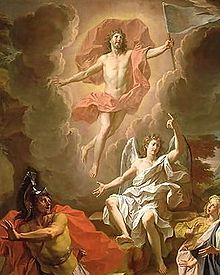
Regina caeli, laetare, alleluia
Quia quem meruisti portare, alleluia.
Resurrexit sicut dixit, alleluia.
Ora pro nobis Deum, alleluia.
V. Gaude et laetare, Virgo Maria, alleluia,
R. Quia surrexit Dominus vere, alleluia.

The blog of a group of Filipino Catholics and their frank commentary on anything that affects their lives as a citizen of the Philippines and as a Roman Catholics.




| Latin text | An English translation |
|---|---|
|
|
 |
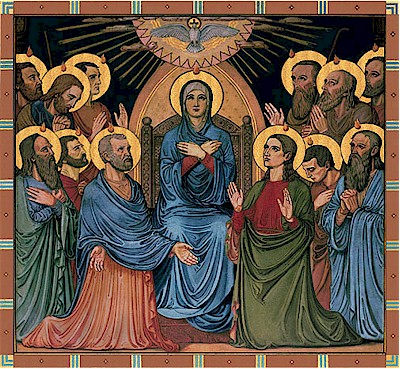
| VENI, Creator Spiritus, mentes tuorum visita, imple superna gratia quae tu creasti pectora. | COME, Holy Spirit, Creator blest, and in our souls take up Thy rest; come with Thy grace and heavenly aid to fill the hearts which Thou hast made. |
| Qui diceris Paraclitus, altissimi donum Dei, fons vivus, ignis, caritas, et spiritalis unctio. | O comforter, to Thee we cry, O heavenly gift of God Most High, O fount of life and fire of love, and sweet anointing from above. |
| Tu, septiformis munere, digitus paternae dexterae, Tu rite promissum Patris, sermone ditans guttura. | Thou in Thy sevenfold gifts are known; Thou, finger of God's hand we own; Thou, promise of the Father, Thou Who dost the tongue with power imbue. |
| Accende lumen sensibus: infunde amorem cordibus: infirma nostri corporis virtute firmans perpeti. | Kindle our sense from above, and make our hearts o'erflow with love; with patience firm and virtue high the weakness of our flesh supply. |
| Hostem repellas longius, pacemque dones protinus: ductore sic te praevio vitemus omne noxium. | Far from us drive the foe we dread, and grant us Thy peace instead; so shall we not, with Thee for guide, turn from the path of life aside. |
| Per te sciamus da Patrem, noscamus atque Filium; Teque utriusque Spiritum credamus omni tempore. | Oh, may Thy grace on us bestow the Father and the Son to know; and Thee, through endless times confessed, of both the eternal Spirit blest. |
| Deo Patri sit gloria, et Filio, qui a mortuis surrexit, ac Paraclito, in saeculorum saecula. Amen. | Now to the Father and the Son, Who rose from death, be glory given, with Thou, O Holy Comforter, henceforth by all in earth and heaven. Amen. |
Lord Of All Hopefulness is a hymn written by Jan Struther which was published in the enlarged edition of "Songs of Praise" in 1931, the hymn is used in liturgy, at weddings and at the beginning of funeral services.
It is set to the melody of an Irish folksong, collected in the village of Slane, which is also the melody of another well-known hymn, Be Thou My Vision. In English hymn books, where traditional folk tunes are used, the place of collection is attributed as the tune name.

